Program IV
Governance & Diplomacy
Boards · multilateral institutions · Track II dialogue
Overview
Coordination across borders and institutions.
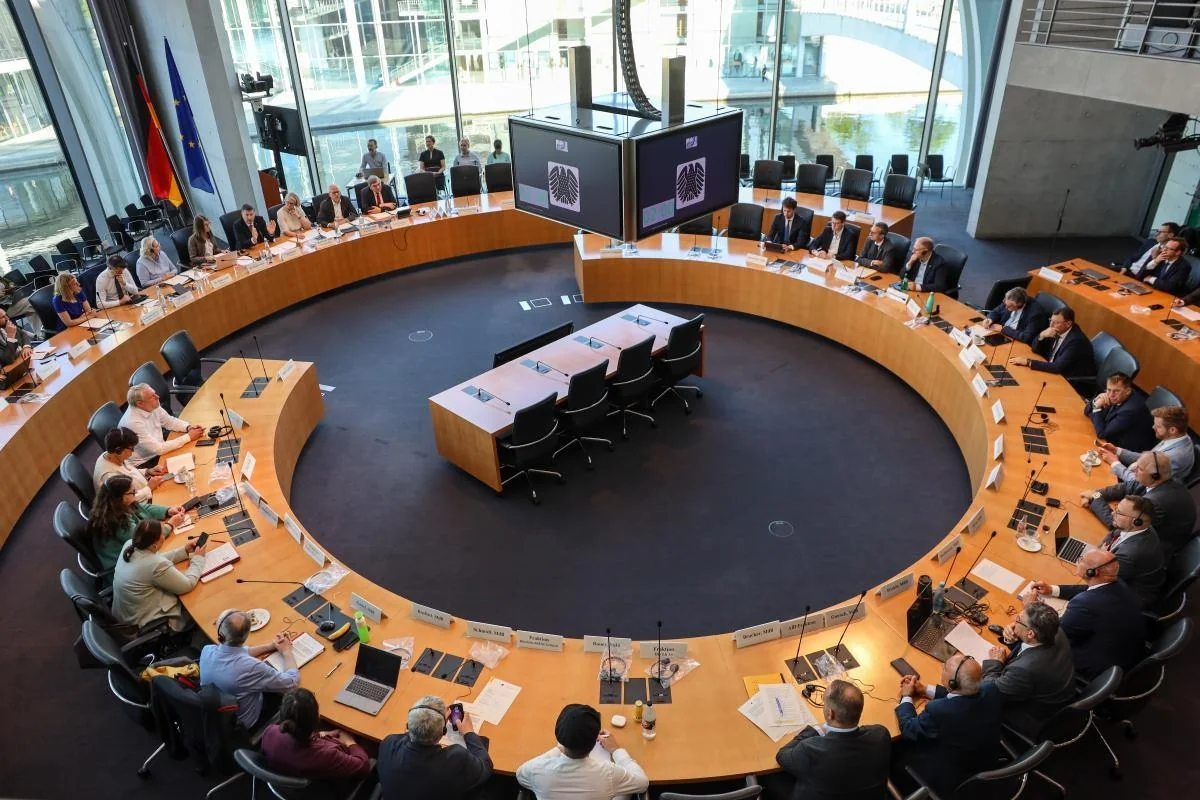
How governments, companies, experts, and multilateral institutions coordinate when authority is fragmented and shared problems cross borders faster than formal institutions can respond. We study networked governance, institutional renewal, and structured dialogue across jurisdictions.
Track II diplomacy, informal expert-led dialogue across borders, has historically complemented formal multilateralism. In an era of fragmented authority and accelerating technology, it becomes a primary mode of cross-border governance work, and the Institute's own convening practice is part of the research.
Research approach
The institutions built for the multilateral order of the late twentieth century were not designed for the governance problems of the 2030s. Track II diplomacy, informal expert-led dialogue across borders, has historically complemented formal multilateralism. In an era of fragmented authority and accelerating technology, it becomes a primary mode of cross-border governance work.
Our Governance and Diplomacy work develops frameworks for structured multi-stakeholder alignment, networked multilateralism, and Track II dialogue on questions that cross jurisdictional lines. The anchor-city salons function as the Institute's standing Track II infrastructure.
Image credits
- Governance & Diplomacy
- General view of a meeting during European Commissioner Apostolos Tzitzikostas’s visit to Germany, Berlin, September 22, 2026. Photo: Kyriakos Samartzidis / European Commission. © European Union, 2026, licensed under CC BY 4.0. Cropped and resized for web presentation.